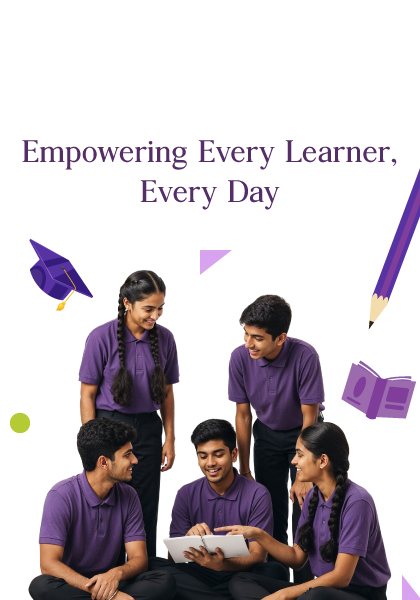
At APL, we understand that every child thinks, feels, and learns in their own way. To support this, we create opportunities for students to explore learning on their own terms.
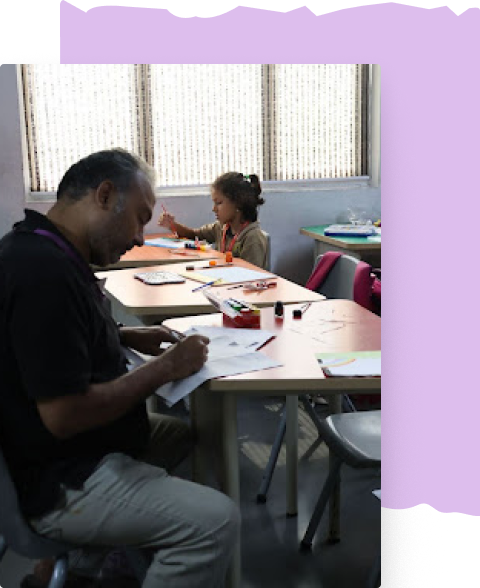
Learning plans are tailored to the individual strengths, needs, and interests of each student. This is strengthened with Experiential methods and multiple pathways to make learning dynamic and inclusive.
Creativity and innovation are the foundation of our teaching philosophy.Our teachers therefore constantly work to design plans that adapt to diverse learning styles.
Teachers build rapport through active dialogue and trust-based relationships, making learning relevant and engaging.
Students are encouraged to set their own goals and reflect on their progress. We provide a compassionate mentoring space to help them realise their potential.
We nurture a compassionate mentoring space where every learner is valued.
Open conversations are welcomed, fostering a strong sense of belonging and respect.
APL embraces a progressive mindset that is open to growth and change as part of the learning journey.
Our differentiated strategies ensure that every child is supported Inclusion isn’t just a goal — it’s a living practiceat APL.
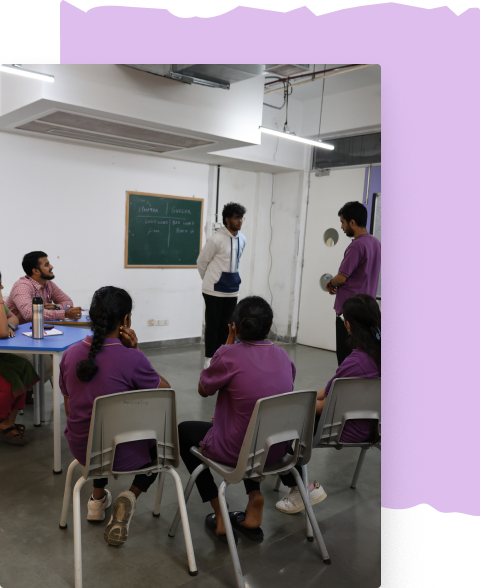
The teaching pedagogy is designed and derived from the respective curricula, -Cambridge International or the NIOS, keeping holistic development in mind. Plans are created primarily taking the affective side of learning into consideration.
Teachers are encouraged to use a variety of strategies which include different modes of mentoring, learning, and assessments that prompts every learner to feel inspired to realize and celebrate their unique potential. Above all, we nurture each student’s strengths while developing other essential areas — resilience, collaboration, and wellbeing — so that learners thrive not only intellectually, but personally.
We recognise giftedness across intellectual, creative, artistic and social-emotional domains, and weave tiered levels of learning that challenge their exceptional abilities.
Acceleration into higher grades is considered carefully and selectively — only when clear mastery justifies it. More often, we enrich learning in place to support academic growth while maintaining social and emotional balance.
These approaches deepen student engagement and promote balanced development alongside curricular goals. The pedagogy is tuned to generate optimal engagement from the students. Teachers continuously engage in personal and professional development to refine their skills as educators in a collaborative space.
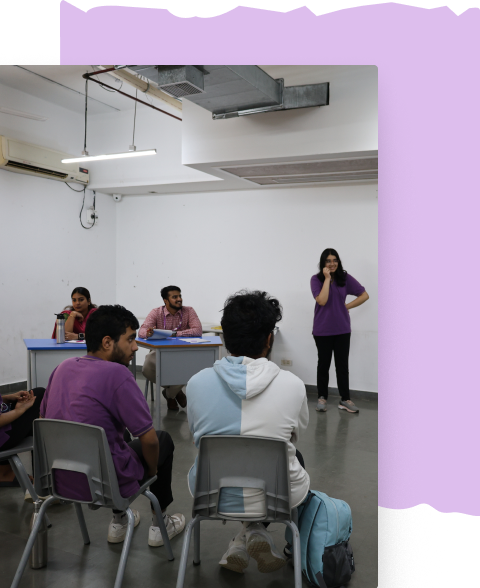
Assessment is a natural and intrinsic part of the learning experience at APL. It is done to develop the confidence and aspiration levels of students while keeping in mind their level of readiness. The assessment pattern varies for school levels. For KG - 5 is continuous and formative in nature. Grade 6 is gently transitioned to the idea of formal assessments.
Students with higher cognition level, academic progress beyond the functional components of the curriculum is also tracked. Since there is a minority of students who are identified as gifted with neurodivergence, the curriculum and hence the assessments are highly customized to support their growth.
For Kamalam the assessment model provides a framework that has standardization of parameters and at the same time provides flexibility to accommodate the spectrum of learning styles and needs based on student neurodivergence.
In keeping with the pedagogic systems at APL, our reporting pattern takes a holistic view of the student's development, progress and performance. The progress report gives an analysis of the child's performance which includes their Learner Profile, Socio-emotional Strengths, Scholastic Performance, and their Sports and Co-curricular Performance. Parents are invited to meet the subject teachers, mentors and the Heads of School, together with the student to discuss performances, challenges and needs. Parents can also request meetings with school on specific requirements.
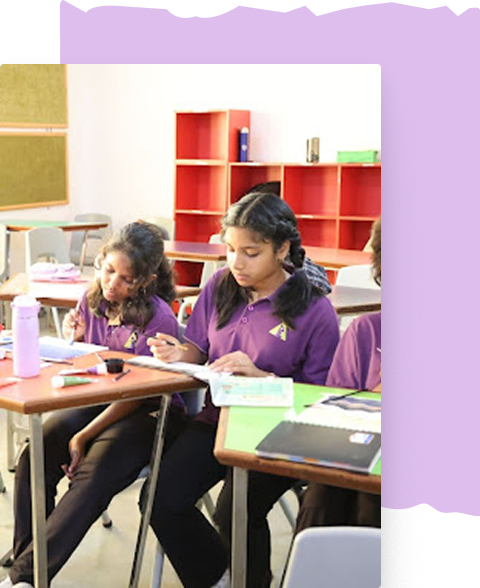


Mentoring is a very significant part of APL and the students feel supported to have mentors as their friend, philosopher, and guide in school. The student’s mentor plays a multidimensional role in helping the child with academic, social, and emotional needs. Mentors are the first point of contact, and their interaction with parents helps build mutual confidence.
Mentor periods aim to create a space in which the class group is guided by the Class Mentor to discuss and air-out issues specific to the class. Some of the activities that happen at this time are silent time, guided meditation, circle time and sharing of news that is relevant to the class.
APL has qualified counsellors who are experienced and skilled in one-to-one counselling as well as group sessions. The one-on-one sessions meet individual counseling needs of students. Students can voluntarily approach them to get guidance on any socio- emotional concerns or for a chat in a confidential manner.
Psychological guidance in terms of social and moral values are imbibed in students in a clearly defined, fully confidential space. Proactive strategies are put in place to help students with conflict resolution and effective engagement with the community. At all levels of school, the effort is to create self-awareness and promote emotional literacy, thus creating a school climate promoting healthy living and learning. Counsellors also consult with parents and teachers to support the student’s overall well-being.